
Being forced to slow down
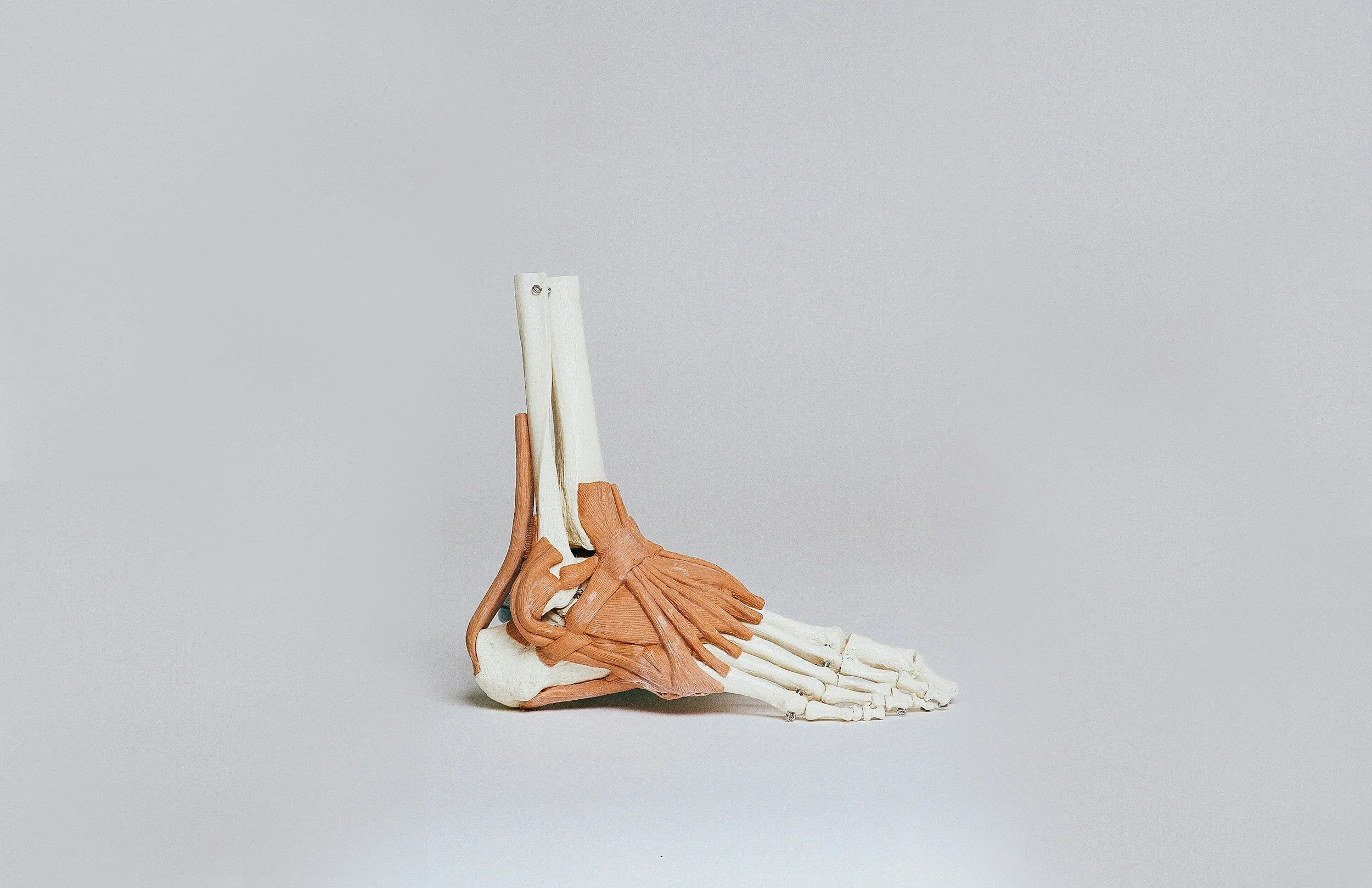
I think I’m finally accepting that this ankle isn’t just a minor inconvenience.
The frustrating part is that it’s not even new. I originally went over it back in April, and at the time it felt like one of those things you just deal with and move on from. It settled down enough that I could get back into running, train, and eventually get through the half marathon. So in my head, it was “fine”. Not perfect, but fine enough.
Except now it’s flared up again after the race last month, and it’s a bit harder to ignore this time. It’s still not dramatic. I’m not limping around or completely unable to run. But there’s a definite sense that something isn’t quite right, and more importantly, that it probably hasn’t been right for a while. I think I just got used to it being slightly off and worked around it without really addressing it properly.
That seems to be quite common with ankle sprains. From what I’ve read and what the physio said, they’re one of the most frequently recurring injuries, especially if they’re not fully rehabilitated the first time around. The ligaments around the ankle can become weaker or less stable after a sprain, which makes it easier to re-injure or irritate the same area again (Doherty et al., 2014; Hertel, 2002). Which, in hindsight, makes a lot of sense.
I did go to a physio this time, mainly because I didn’t want to keep guessing. It’s one thing to manage something yourself when it feels minor, but once it starts coming back, it feels worth getting a proper opinion. And unsurprisingly, the advice was fairly straightforward: it’s likely a lingering issue from the original sprain, it needs strengthening, and it probably needs a bit more rest than I’d been giving it. Nothing groundbreaking, but sometimes it helps just to have that confirmed.
One of the things they mentioned was how easy it is to return to activity before the ankle is fully stable again. You can feel fine day-to-day, and even during runs, but still have underlying instability that only shows up under higher loads or fatigue. That seems to fit quite well with what’s happened here. Training for a half marathon meant gradually increasing mileage, and while everything felt manageable at the time, it’s not that surprising that something slightly unresolved would get exposed by that.
There’s also the whole proprioception side of things, which I hadn’t really thought about before. After an ankle sprain, your ability to sense the position of your joint can be slightly reduced, which affects balance and coordination (McKeon & Hertel, 2008). That’s part of why rehab often includes things like single-leg balance exercises, not just strengthening. It’s interesting, because it’s not just about the ankle being “strong enough”. It’s about it being stable and responsive as well. All of that is useful to know, but it doesn’t make the practical side of things any less frustrating.
I’ve had to pull back on running again, which feels a bit like going backwards. Not completely stopping, but definitely reducing things and being more cautious. I’m doing more walking instead, which at least keeps some kind of routine in place, but it’s not quite the same. Running has been one of the main ways I’ve been structuring my time alongside PhD work. It gives me a clear break in the day, something that feels separate from everything else. So when that becomes uncertain, it’s noticeable.
I think what’s been most challenging is the shift in mindset. When everything is going well, you don’t think too much about running. You just go out and do it. Now there’s this extra layer of decision-making every time.
Should I run today?
How does it feel right now?
Is this helping or making it worse?
It’s not overwhelming, but it does take away some of the simplicity that I enjoyed.
At the same time, I can see that this is probably a good point to address it properly. If I keep half-managing it, there’s a good chance it’ll just keep coming back. The physio was quite clear that building strength and stability now is what will make the difference longer term, even if it means slowing things down in the short term. That’s the part I’m trying to focus on.
It’s not about stopping completely or losing all progress. It’s just about shifting what progress looks like for a bit. Instead of building distance or speed, it’s about doing the rehab exercises, paying attention to how things feel, and giving it time to settle. Which is not the most exciting version of progress, but probably the most useful one right now. I’ve also been trying to reframe walking slightly. It’s easy to see it as a replacement for running, but it’s still time outside, still movement, still a break from work. Just at a different pace. And maybe that’s not a bad thing, especially at this point in the semester when everything else is still fairly busy.
So for now, the plan is fairly simple. Keep things moving, but don’t push it. Do the rehab properly. Listen to what the ankle is doing instead of trying to override it. Not exactly the plan I had after the half marathon, but probably the one I need.
